
Last Updated: October 25, 2026
Quick Summary
Grass-fed beef tallow delivers its best-evidenced benefits as a heat-stable cooking fat and an occlusive moisturizer that seals in water and supports the skin barrier. It also supplies fat-soluble vitamins A, D, E and K plus choline, though disease-prevention and cognitive claims outrun the human evidence.
- Grass-fed tallow is typically firmer at room temperature due to a higher stearic acid proportion.
- Apply tallow to damp skin as the last step of your evening routine, starting three nights a week.
- MD Anderson Cancer Center notes tallow may moisturize skin but can also cause acne.
- Store rendered tallow in a sealed glass jar in a cool, dark place and keep water out.
- The Steakhouse Cooking Tallow costs $19.99 CAD and comes in 4 oz and 8 oz jars.
Table of Contents
- What Grass-Fed Beef Tallow Is and How It Gets Made
- The Fatty Acid Profile and Fat-Soluble Vitamins Behind the Benefits of Grass-Fed Beef Tallow
- Grass-Fed Versus Grain-Fed Tallow: What Actually Differs
- Cooking With Tallow: Smoke Point, Heat Stability, and Everyday Use
- How to Use Beef Tallow on Face for Deep Hydration
- Tallow for Acne-Prone Skin: What to Expect and Who Should Be Careful
- Beef Tallow for Aging Skin and the Moisture Barrier
- What to Look For in a Beef Tallow Moisturizer
- Rendering, Storing, and Keeping Your Tallow Fresh
- Choosing Your First Jar of Grass-Fed Tallow
- Frequently Asked Questions
What Grass-Fed Beef Tallow Is and How It Gets Made
The benefits of grass fed beef tallow start with what it actually is: rendered beef fat from cattle raised on pasture. Rendering means slowly melting the fat to separate it from tissue and water, then straining it into a shelf-stable cooking and skincare fat. At ZOLENA, we render ours in small batches in New Brunswick, which keeps the process slow and the batches traceable.
Rendering happens two ways. Wet rendering uses water or steam heat; dry rendering melts fat directly over low heat. Home and small-batch producers favor dry rendering because it preserves flavor and produces a cleaner fat.
Watch out: fat rendered at high heat turns grainy and takes on a burnt, lard-like smell that follows it into every jar. Low and slow is not a suggestion, it is the whole method.
The Fatty Acid Profile and Fat-Soluble Vitamins Behind the Benefits of Grass-Fed Beef Tallow
Grass-fed beef tallow is a fat whose fatty acid profile leans heavily on saturated and monounsaturated fats, with stearic and oleic acid dominating, plus smaller amounts of polyunsaturated fat and conjugated linoleic acid. That composition is why tallow behaves the way it does in a pan and on skin: stable under heat, slow to oxidize, and rich enough to form a real moisture barrier.
To make that concrete, the fatty acid mix in beef tallow is commonly reported in these approximate ranges, though the exact numbers shift with the animal's diet, breed, and the depot fat rendered:
- Saturated fat: roughly 45-55% of total fat, with stearic acid (C18:0) the largest single saturated fatty acid and palmitic acid (C16:0) close behind.
- Monounsaturated fat: roughly 35-45%, almost entirely oleic acid (C18:1), the same fat that dominates olive oil.
- Polyunsaturated fat: roughly 3-6%, including small amounts of linoleic acid (omega-6) and alpha-linolenic acid (omega-3).
- Conjugated linoleic acid (CLA): a minor but frequently cited component, typically well under 2% of total fat and higher in fat from pasture-raised cattle.
Stearic acid is the reason tallow feels firm at room temperature but does not raise LDL cholesterol the way some other saturated fats do in controlled feeding studies, a nuance worth knowing before you write tallow off on saturated-fat grounds alone. Oleic acid is the reason tallow spreads and absorbs into skin rather than sitting greasy.
The fat-soluble vitamins tallow carries, vitamin A, vitamin D, vitamin E, and vitamin K, are the ones that need dietary fat for absorption. That is a real mechanism, not a marketing line: vitamins A, D, E, and K are lipophilic, meaning they dissolve in fat and are packaged into micelles during digestion before they can cross the intestinal wall. Eating them with a fat source improves absorption; eating them with a fat-free meal reduces it. Tallow also supplies choline, which supports cellular membrane integrity and lipid transport.
Here is the honest evidence picture, claim by claim:
- Tallow as a cooking fat with high heat stability: well supported by food science. Saturated and monounsaturated fats resist oxidation better than polyunsaturated fats, which is a measurable chemical property, not a health claim.
- Tallow as a moisturizer: supported by its occlusive, emollient physical properties. A 2024 review in PubMed Central on tallow and skin biocompatibility examined the claim that tallow suits human skin better than plant-based fats and did not find a study establishing it. Treat tallow as a good moisturizer, not a proven treatment.
- Tallow and inflammation or metabolic health: largely animal-model and mechanistic evidence, with human trials thin. Traditional-use claims are common; controlled human data are not.
- Tallow and weight management or energy: tallow is calorie-dense at roughly 9 calories per gram, so it is an energy source, not a weight-loss tool. Any benefit comes from satiety and from replacing less stable fats, not from tallow itself.
- Tallow and immune, brain, or cognitive health: the weakest claim set. Fat is essential for brain structure and immune function, but there is no human evidence that tallow specifically improves either.
Grass-Fed Versus Grain-Fed Tallow: What Actually Differs
The difference between grass-fed and grain-fed tallow comes down to the animal's diet, and it shows up in the fat's color, flavor, and nutrient density. Pasture-raised cattle produce fat with a deeper golden tint from beta-carotene and a firmer, cleaner texture. Grain-finished fat tends to be whiter, softer, and blander.
Most pages stop there. The useful version is a side-by-side, so here is what the research consistently shows when pasture-raised and grain-finished beef fat are compared:
- Omega-3 fatty acids: grass-fed beef fat typically contains a higher proportion of alpha-linolenic acid and other omega-3s, often reported at roughly two to three times the level in grain-finished fat, though absolute amounts remain small compared with fatty fish.
- Omega-6 to omega-3 ratio: grass-fed fat tends to show a lower (more favorable) ratio, largely because grain finishing raises omega-6 linoleic acid.
- Conjugated linoleic acid (CLA): pasture-raised fat is consistently higher in CLA, with some comparisons reporting roughly two to three times the concentration of grain-finished fat. CLA is a minor component either way, so the absolute difference is small.
- Beta-carotene and vitamin A precursors: grass-fed fat carries more beta-carotene, which is why it looks more golden. This is a visible proxy for pasture intake, not a guarantee of a specific vitamin A level.
- Vitamin E: pasture-raised fat tends to be higher in alpha-tocopherol, reflecting the tocopherols in fresh forage.
- Fatty acid firmness: grass-fed tallow is typically firmer at room temperature because of a higher stearic acid proportion; grain-finished tallow is softer and spreads more easily.
Two caveats matter more than the numbers. First, the ranges vary widely by farm, season, breed, and the specific fat depot rendered, so a label that says "grass-fed" tells you about diet, not about a guaranteed nutrient profile. Second, "grass-fed" is not a single regulated standard in the same way across every producer; some cattle are pasture-raised and grass-finished, others are pasture-raised and grain-finished, and the fat reflects the finishing diet more than the early life. Ask a producer three questions: was the animal grass-finished or grain-finished, what breed, and can they name the farm. A producer who can answer all three is giving you more than a label ever will.
For cooking, the practical difference is flavor. Grass-fed tallow tastes beefier, which is either the point or a problem depending on the dish. For skincare, the difference is mostly texture and color; the occlusive mechanism is the same either way.
Cooking With Tallow: Smoke Point, Heat Stability, and Everyday Use
Tallow is one of the best fats for high-heat cooking because its saturated structure resists oxidation at temperatures where polyunsaturated oils break down. Its smoke point sits high enough for searing, roasting and deep frying, and it holds up through repeated heating better than most seed oils.
Use it for steak, burgers, chicken, potatoes, vegetables, eggs, and any roasting or frying job. Our cooking tallow collection covers plain and seasoned options if you want to try it across a week of meals.
A common mistake is treating tallow like butter and adding it cold to a hot pan. Melt a small amount first, then add food once it shimmers.
How to Use Beef Tallow on Face for Deep Hydration
Here is how to use beef tallow on face for deep hydration: cleanse, pat skin slightly damp, warm a pea-sized amount between your fingertips, and press it into the skin as the last step of your evening routine. Tallow is an occlusive moisturizer, so it seals in water rather than adding it, which is why applying it to damp skin matters.
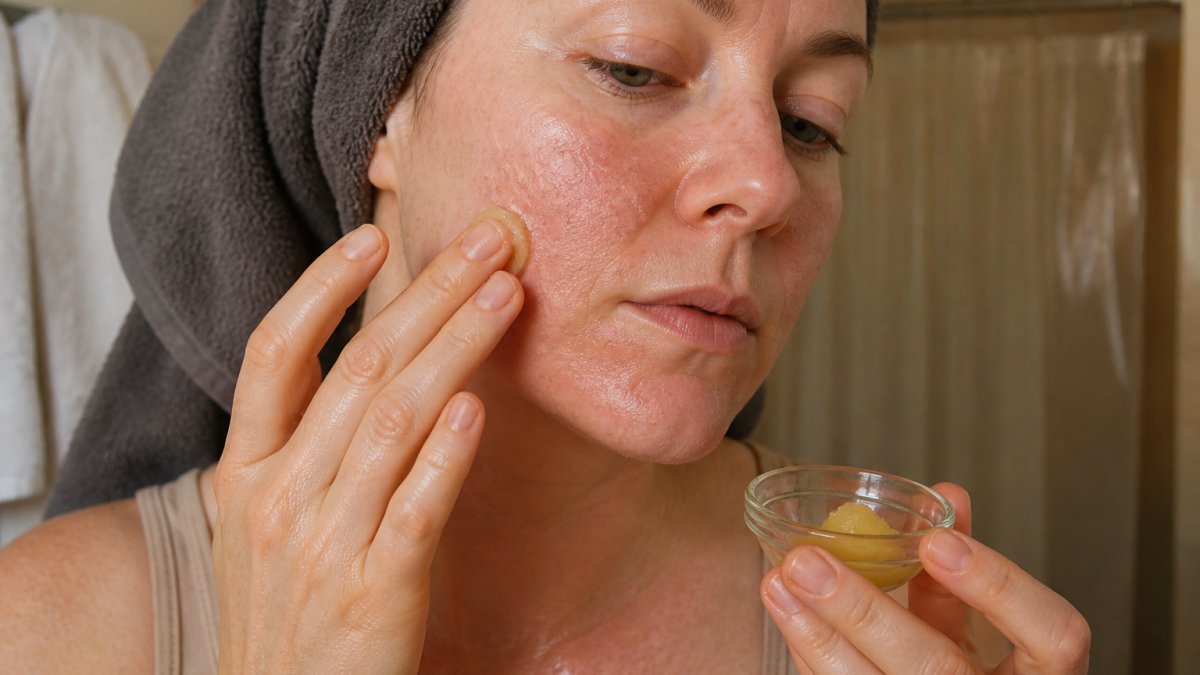
Start with three nights a week. If your skin feels comfortable, move to nightly.
Tallow for Acne-Prone Skin: What to Expect and Who Should Be Careful
Tallow for acne-prone skin is a genuine risk, not a rumor. MD Anderson Cancer Center notes that tallow may moisturize skin but can also cause acne, and that research on its skincare benefits is ongoing (Beef tallow: dietitian and derm weigh in). Tallow is rich and occlusive; on congested, oily skin that can trap sebum.
If you are acne-prone, patch test on your jaw for a week before going near your T-zone. Skip tallow entirely during an active breakout. Those with eczema or sensitive skin should also patch test, because a natural fat is not automatically a gentle one.
Beef Tallow for Aging Skin and the Moisture Barrier
Beef tallow for aging skin works on a simple principle: as skin loses moisture retention with age, an occlusive fat slows water loss and supports the skin barrier. Tallow's stearic and oleic acid content makes it a natural moisturizer that sits on the surface and reduces transepidermal water loss.
What it will not do is reverse fine lines. No fat does that. What you get is plumper, calmer-looking skin and less tightness after cleansing, which is most of what dry, mature skin is asking for.
What to Look For in a Beef Tallow Moisturizer
A good beef tallow moisturizer lists few ingredients and names them plainly: grass-fed tallow, one or two botanical oils, and nothing you cannot pronounce. Look for small-batch production, a visible batch date, and a producer willing to tell you where the fat came from.
Avoid jars with a long list of fillers, synthetic fragrance, or vague "proprietary blend" language. If you are comparing options, browse our full face-care range to see how a short ingredient list reads on a label. Price reflects sourcing and batch size, not marketing.
Rendering, Storing, and Keeping Your Tallow Fresh
Store rendered tallow in a cool, dark place in a sealed glass jar; refrigeration extends shelf life, especially in warm months. Keep water out of the jar, because moisture is what turns tallow rancid. If it smells sharp or sour rather than mildly beefy, discard it.
Re-render any tallow that came out grainy by melting it again over low heat and straining through cheesecloth.
Choosing Your First Jar of Grass-Fed Tallow
Start with one product that matches how you will actually use it. If you want to cook, begin with the Steakhouse Cooking Tallow at $19.99 CAD, seasoned with garlic, herbs and black pepper and sold in 4 oz (113g) and 8 oz (227g) jars.

A first jar should be small enough to finish in a few months and sealed well enough to stay fresh. Buy from a producer who renders in small batches and tells you the source.
| If you want to... | Start with |
|---|---|
| Sear steak, burgers, eggs | Steakhouse Cooking Tallow |
| Roast vegetables and potatoes | Vegetable Spice Cooking Tallow |
| Try several flavors | Build Your Own Flavour Bundle |
| Pair meat and veggie dishes | Savoury Cooking Duo |
| Add a sweet-smoky note | Cooking Maple Chipotle Tallow |
Most people arrive at tallow expecting one miracle and leave with a better moisturizer and a better frying fat, which is a fair trade. That is the honest case for the benefits of grass fed beef tallow: real hydration, real heat stability, no invented promises. At ZOLENA, we handcraft every batch in small quantities from grass-fed beef tallow and simple organic ingredients, so you know exactly what is in the jar. Get started with ZOLENA and build a routine around fat that earns its place in your kitchen and on your shelf.
Frequently Asked Questions
Is grass-fed beef tallow good for your skin?
Grass-fed beef tallow is rich in saturated and monounsaturated fats that sit on the skin surface and slow moisture loss, which is why so many people use it as a beef tallow moisturizer. A 2024 review in PubMed Central examined tallow's biocompatibility with skin but did not establish it as a proven treatment for skin conditions. Treat it as a deeply hydrating occlusive rather than a cure for eczema or rosacea, and patch test first if your skin is reactive.
Can beef tallow clog pores or cause acne?
It can, for some people. Tallow is high in saturated fat and fairly rich, so tallow for acne-prone skin needs caution. MD Anderson Cancer Center notes that tallow may moisturize but can also cause acne, and that research on its skincare benefits is ongoing. If you break out easily, start with a thin layer on one small area for a week, avoid layering it over actives, and stop if you see new congestion.
Is grass-fed beef tallow better than regular beef tallow?
The difference comes down to what the animal ate. Grass-fed tallow tends to carry more beta-carotene, which gives it a deeper yellow color, and a different fatty acid balance than grain-fed fat. The research on quantified nutrient gaps is still thin, so the honest answer is that grass-fed is a sourcing preference as much as a nutrition claim. Look for small-batch rendering and a clear ingredient list either way.
Does beef tallow contain collagen?
No. Tallow is rendered fat, so it contains no collagen, which is a protein found in skin, bone, and connective tissue. This is one of the most common mix-ups. If collagen is your goal, you get it from bone broth or a collagen supplement, not from a jar of cooking fat or a beef tallow moisturizer. Tallow's role is hydration and barrier support, not protein replacement.
Why don't dermatologists recommend tallow for skincare?
Most dermatologists want controlled studies before endorsing an ingredient, and tallow has very little clinical research behind it. The 2024 PubMed Central review looked at biocompatibility but did not establish tallow as a proven treatment. Add the acne risk from its saturated fat content and the fact that homemade versions vary batch to batch, and you can see why clinicians stay cautious. That does not make it useless, just unproven.
Is tallow really good for aging skin?
Beef tallow for aging skin makes sense on one level: mature skin loses moisture faster, and tallow's fat content helps hold water in the outer layer. It also supplies vitamin A and vitamin E, both fat-soluble. What it will not do is replace retinoids or sunscreen. Use it as the sealing step after your serum, especially at night, and keep sun protection as your first line against aging.


